

keywords are not provided. : ค้นหาหนังสือธรรมะ หน้า 56 / 133
หน้าหนังสือทั้งหมด
27
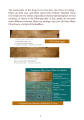
Exploring the Manuscripts of Nong Pa Fa Cave
The manuscripts of the Nong Pa Fa Cave have two forms of writing: Dham Lao from Laos, and Dham Lanna from northern Thailand. These two scripts are very similar, especially on manuscripts dating back s
The manuscripts of the Nong Pa Fa Cave showcase two primary forms of writing: Dham Lao from Laos and Dham Lanna from northern Thailand. While these scripts exhibit notable similarities, especially in
32
Dhamma-kāya in the Pali Canon
Dhamma-kāya in the Pali Canon¹
Chanida Jantrasrisalai
I. Why ‘Dhamma-kāya’ in the ‘Pali Canon’?
The term dhamma-kāya/dharmakāya appears in Buddhist literature of different schools. Previous scholars
The study investigates the term dhamma-kāya as presented in the Pali Canon, aiming to provide a comprehensive analysis that has been overlooked in previous studies. While many references have been mad
34
Understanding Dhammakāya in Early Buddhist Thought
II. The Different Approach
A fairly established academic understanding has settled regarding the term dhammakāya in the Pali canon, that it was used merely in the sense of the ‘Buddha’s teachings.’ In
The term 'dhammakāya' in the Pali canon is understood as representing the Buddha's teachings. It is established through several canonical passages that equate the Buddha with dhamma. Notable reference
42
Saddhā: The Criterion of Being the Tathāgata's Son
Saddhā: Criterion of being the Tathāgata's Son
The first point to be looked at is the criterion of being the Buddha’s ‘true son’ which is, in this passage, defined by means of his
irremovable confiden
This text discusses the criterion of being the Tathāgata's son, emphasizing the irremovable confidence (saddhā) in the Buddha. It defines this confidence as settled and unchangeable despite external i
71
Understanding Dhammakāya and Enlightenment
1. The term dhammakāya is related to enlightenment. This agrees with our earlier observation regarding the relation of ‘dhammakāya’ to the Buddha and Paccakabuddhas.
2. Dhammakāya is not exclusive to
The term 'dhammakāya' signifies enlightenment and is not exclusive to the Buddha but can also be attained by his disciples, as indicated by Gotami's reference to 'my dhammakāya.' This term is interpre
78
Understanding Dhammakāya in Early Theravādin Context
The research approach employed in the present study is intended as a more direct, analytical and inclusive one than previous approaches to this question. It is more direct in that it set off by docume
This study analyzes the term dhammakāya through close readings of Pali canonical passages, revealing that it relates not only to the Buddha but also to other noble figures like Paccakabuddhas and disc
92
The Role of Sa-Paper in Buddhist Manuscripts
are also certain exceptions to this. For example, Buddhist scriptures that are chanted daily are always copied on sa-paper manuscript for the convenience of page turning and reading. Secular literatur
Sa-paper, made by local artisans, serves as a practical alternative for copying both Buddhist and secular texts in Sipsong Panna. Although less symbolic than palm leaves, sa-paper's ease of use and du
121
The Influence of An Shigao on Mindfulness Breathing Meditation in Eastern Han China
In this paper I explore the connections between An Shigao and the introduction of the Indian Buddhist meditation technique of mindfulness breathing meditation, or ānāpānasmṛti, into Eastern Han China.
This paper examines An Shigao's role in introducing the Indian mindfulness breathing meditation technique, ānāpānasmṛti, into Eastern Han China. The phrase「息中具有四大。 而心在中」suggests that the mind should f
19
ความสำคัญของการมีมงคลในชีวิต
อ่ำ ได้รับสิรมงคลนั้น
ใหญ่ขึ้น คามค้นเคยกับสิ่งมีมงคลจริงเป็น
ความสำคัญอย่างยิ่ง
ทุกคนผ่านชีวิตในอดีตจาติมาแล้วเป็นอัน
มาก นัมพาชาติไม่อ้วน มีความคุ้นเคยกับเรื่อง
รว หรืออารมณ์ต่าง ๆ มาแล้วมากมาย คุ้น
บทความบรรยายถึงความสำคัญของสิ่งมีมงคลในชีวิต และผลกระทบจากความผูกพันที่เกิดขึ้นในอดีตต่อสุขภาพในปัจจุบัน การมีมงคลสามารถนำสุขภาพและจิตใจที่ดีมาสู่คนได้ผ่านการสร้างความคุ้นเคยกับสิ่งดีงาม เช่น การสวดมน
20
ผลของกรรมดีในชีวิตปัจจุบัน
รักษาชีวิตผู้อื่นสดอีกสวยงามในอดีตชาติ ไม่เมียดเมียน ตำรวจ ทำลายชีวิตอื่น ก็จะรู้ได้จากปัจจุบันชาติ คือ ปัจจุบันชาติจจะเป็นผู้มีอายุยืน ไม่ถูกต่อน เบียดเบียนทำลายด้วยเหตุใดทั้งสิ้น ไม่ให้ต้องเป็นผู้ชี
บทความนี้กล่าวถึงความสัมพันธ์ระหว่างอดีตชาติและปัจจุบัน โดยชี้ให้เห็นว่าผู้ที่มีความเมตตาและช่วยเหลือผู้อื่นในชีวิตก่อนหน้าจะมีชีวิตที่ดีในปัจจุบันและมีสุขภาพที่แข็งแรง ผู้ที่เคยรักษาศีลและปฏิบัติธรรม
16
Exploration of Rebirth and Justice
' There is another world, there is rebirth not of parents, there is fruit and result of deeds well - done and ill - done. ` You, sirs, are for me trustworthy and reliable, and what you say you have se
This text explores the philosophical ideas surrounding rebirth, the consequences of actions, and the concepts of justice through a narrative involving a dialogue between individuals questioning the ex
26
Questioning the Existence of a Spiritual Realm
10. 'Even though Master Kassapa says so, it still appears to me that not one of these things exists. '
'Have you any further evidence, prince ?' . . .
'I have, Master Kassapa. '
'As how ? '
'Here it i
In a thought-provoking dialogue, a prince challenges Master Kassapa's assertions about the existence of a spiritual realm. The prince draws upon personal experiences with friends who lived virtuous li
28
Exploration of Afterlife Beliefs
26
This Life Next Life
They have promised to do so, but they have neither come and told me, nor sent a messenger. This, Master Kassapa, is evidence to me that not one of those things exists.'
11. '
เนื้อหานี้สำรวจความเชื่อเกี่ยวกับหลังชีวิตและการมีอยู่ของพระเจ้า โดยเฉพาะพระเจ้าทั้งสามสิบท่าน การสนทนาระหว่างเจ้าชายและมาสเตอร์ Kassapa แสดงให้เห็นถึงแนวคิดที่ว่ายามที่มนุษย์คิดว่าเวลาได้ผ่านไปนาน บา
36
This Life Next Life
Here is the extracted text from the image:
---
**This Life Next Life** (in red, italics)
34
she met with ruin and disaster.
Even so you, Prince, foolish and thoughtless that you
are, will meet
ข้อความนี้พูดถึงความสำคัญของการใช้ชีวิตอย่างมีคุณธรรมและความฉลาดในการค้นหาความหมายของชีวิตและชีวิตถัดไป โดยยกตัวอย่างถึงพระราชาที่มีแนวคิดผิด ๆ และความสำคัญของการรอคอยและเติบโตอย่างชาญฉลาดเพื่อประโยชน
80
Understanding Vyavala in Context of Largesse
78
10 To keep the robes down.
11 Vyavala. This became almost a technical term in connexion with largesse.
It is literally 'hindered'; but when the things to be given were too limited as
compar
This text explores the term 'Vyavala' which became a technical term associated with the concept of largesse. It reflects on how limited resources lead to some applicants being overlooked, in a practic
86
The Principles of Generosity
84
This Life Next Life
Wherefore, Gavampati, Sir, go thou into the world of men and tell them : -" Give ye your gifts with thoroughness, with your own hands, with due thought, and give not as if ye
This text highlights the importance of giving in the right spirit as taught by Gavampati. It contrasts the consequences of careless giving, exemplified by prince Payasi's rebirth, with the rewarding o
24
The Virtue of Abounding: Chalaṅgādāna Sutta
24
The Virtue of Abounding
5. Chalaṅgādāna Sutta
Bhikkhus, it is not easy to account for the merits of a gift endowed with these six factors as, it is a yield of merit, a yield of good, a bringer
The Chalaṅgādāna Sutta underscores the significance of gifts endowed with six essential factors, highlighting their immeasurable merits. The passage illustrates how such gifts yield goodness and contr
40
The Verse of Abandoning: Dakkhināvíbhanga Sutta
The Verse of Abandoning
6. Dakkhināvíbhanga Sutta
"When one person, owing to another, has come to possess unwavering confidence in the Buddha, the Dhamma, and the Sangha, and to possess the virtues
The Dakkhināvíbhanga Sutta emphasizes the significance of unwavering confidence in the Buddha, Dhamma, and Sangha. It illustrates how one person's faith and understanding can be influenced by another,
66
The Virtue of Approving in Velāma Sutta
66
The Virtue of Approving
7. Velāma Sutta
"Now, householder, if the thought should occur to you,
'Perhaps it was someone else who at that time was
Velāma the brahman, who gave that gift, t
In the Velāma Sutta, the householder is reminded that true merit comes not from the quantity or grandeur of gifts, but from the character and realization of those who receive them. The teaching emphas
92
The Victory of Abandoning: Insights from the Dana Sutta
The Victory of Abandoning
9. Dana Sutta
Those 6 things Then, having exhausted that action, that
power, that status, that sovereignty, he is a returner,
coming back to this world.
7. "-- but with the
The Dana Sutta presents profound insights on the nature of giving and its consequences in the spiritual journey. It describes how the mindset behind acts of generosity can influence their outcomes—whe